

Welcome to the Papagayo Region of Costa Rica
Playa Hermosa Real Estate
HOMES CONDOS RESIDENTIAL LOTS PROPERTIES
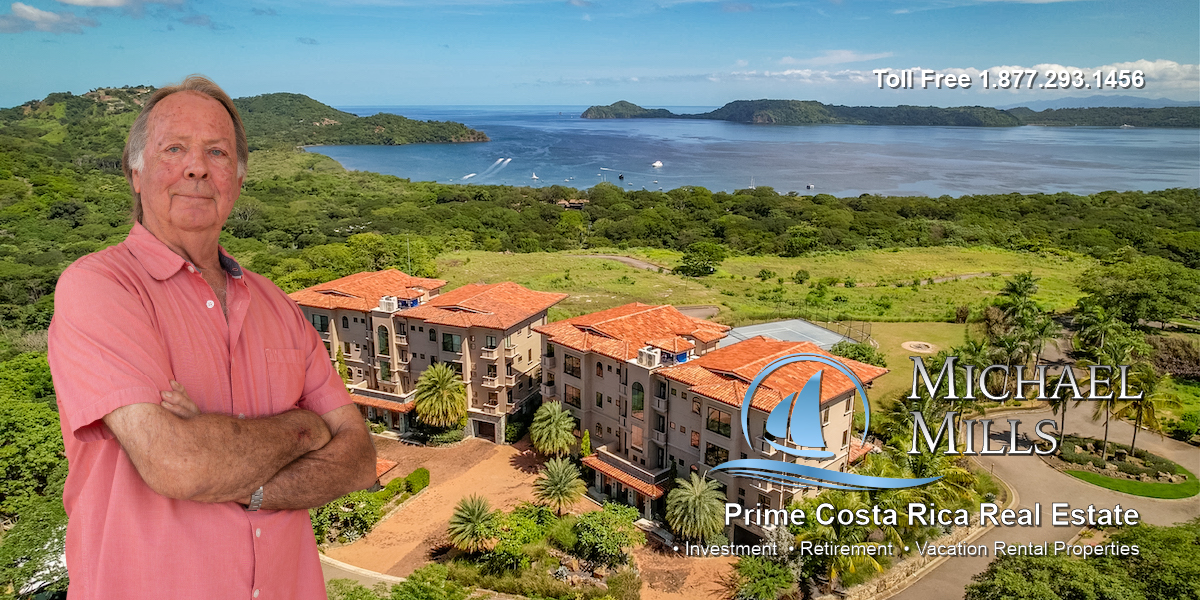
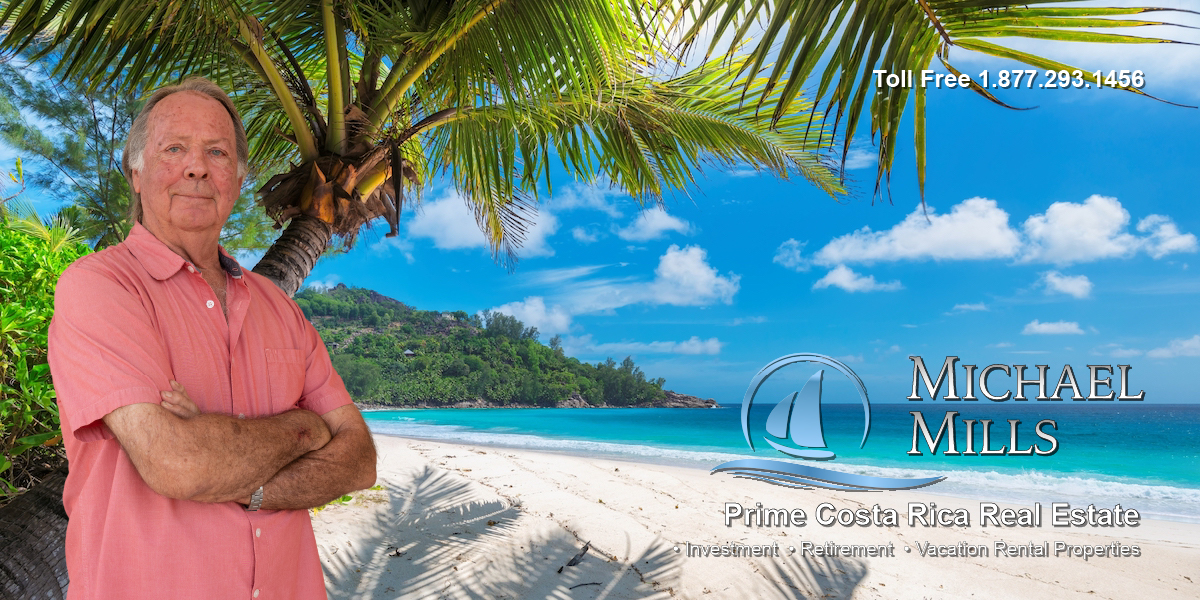
First, let me introduce myself. I have been residing in Playas del Coco and Playa Hermosa areas of Guanacaste for the last 25 years introducing people from all over the world to this beautiful area of Costa Rica. Having traveled Costa Rica from North to South, East Coast to West Coast over the years, I can tell you there is no better a location than this area in Guanacaste. Guanacaste's diverse ecosystems, natural beauty and friendly people captured my heart on my first visit as it has for thousands of visitors now relocating here or finding a vacation property to spend time for periods throughout the year. Relocating from Vancouver Island, British Columbia it did not take much time to adjust to all year round balmy weather and warm Pacific waters. Retirement was not an option so I took a real estate course, bought a catamaran, started offering snorkeling/sunset tours while selling real estate from the deck of catamaran.
Today I am the managing broker for Tres Amigos Realty Group in Playas del Coco & Prestige Ocean Properties and loving every minute.
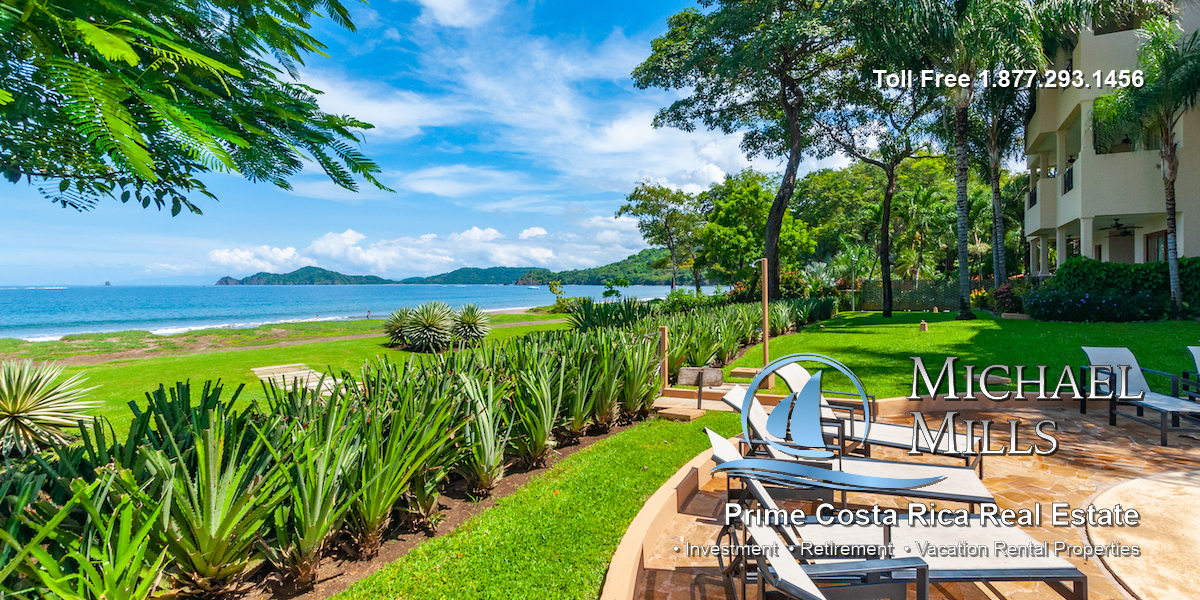
Liberia Airport has been the key to growth and development in Playa Hermosa, Playas del Coco and Playa Panama. It was not by accident I selected this area to live knowing an international airport was soon to become a reality. Twenty five minutes from clearing customs you can be in your condo or villa enjoying a cocktail while watching a magnificent sunset.
This area has also attracted companies like Coca-Cola with the largest plant in Central America, Pricesmart (North America’s Costco), Walmart, Waldorf Astoria Playa Hermosa, Ritz Carlton Peninsula Papagayo, One & Only Hotels Playa Hermosa, Six Senses Hotels Peninsula Papagayo, NYA Liberia Airport, Discovery Land Company Zapotal, Exclusive Resorts, Four Seasons Papagayo, Planet Hollywood and the list goes on. Investment here from projects just mentioned confirm that these investors have done their due diligence recognizing that our area of Costa Rica is the place to be. Liberia Airport expansions are continuous including new private jet facilities to handle the increased traffic.


We have the least amount of rain and the most sunshine, the best roads, fiber optic and calm rip tide free swimming beaches for families and seniors.
I can't stress enough how location, location, location is so important being only 25 minutes from the Liberia International Airport making this area so attractive to retirees and young families looking for a vacation condo and home rentals or year round properties.
Over the last three years our real estate market has been very active with real estate sales for villas, condos, and residential lots in all price ranges.
Please feel free to contact me with any questions and Costa Rica updates.
If you are interested in buying or selling I can offer you years of experience, integrity, knowledge and professionalism.
Cell 011-506-8867- 6929
Toll Free USA and Canada - 1-877-293-1456
Email: michael@costarica-realestate.com

I am a SUGEF approved agent authorized to sell real estate in Costa Rica
What do you want to start looking for?
See the categories below or try the "Properties Search"


